

Key Takeaways
- Stainless Steel Flanges are crucial for ensuring reliability in high-pressure and high-temperature piping systems.
- Choosing the right flange grade is essential for resisting corrosion in harsh environments.
- Kalp Alloys is a trusted Stainless Steel Flanges Manufacturer specializing in detailed specifications for optimal performance.
- ASME B16.5 outlines vital standards for selecting suitable flanges based on pressure and temperature ratings.
- Proper documentation and testing requirements are critical when sourcing stainless steel flanges for industrial applications.
Kalp Alloys is a Leading Manufacturer of Stainless Steel Flanges.
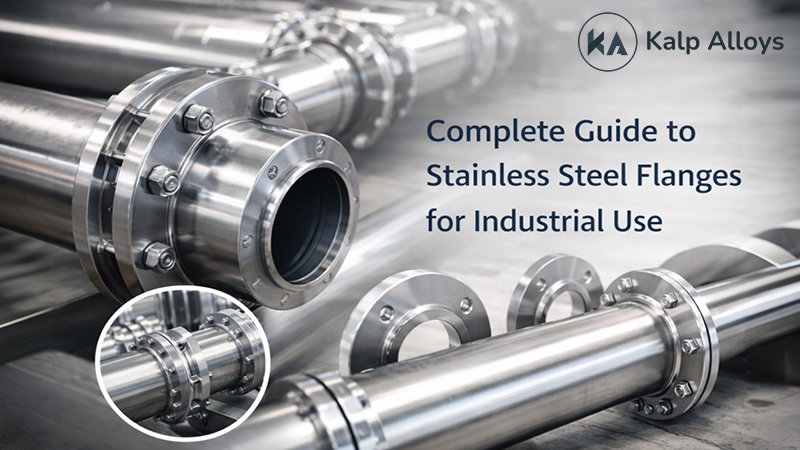
A flange may be a small component compared with the rest of a piping system, but its specification can have a major effect on connection reliability. In high-pressure or elevated-temperature services, material grade, pressure class, dimensions, facing, bolting, gasket selection, and installation all need to work together.
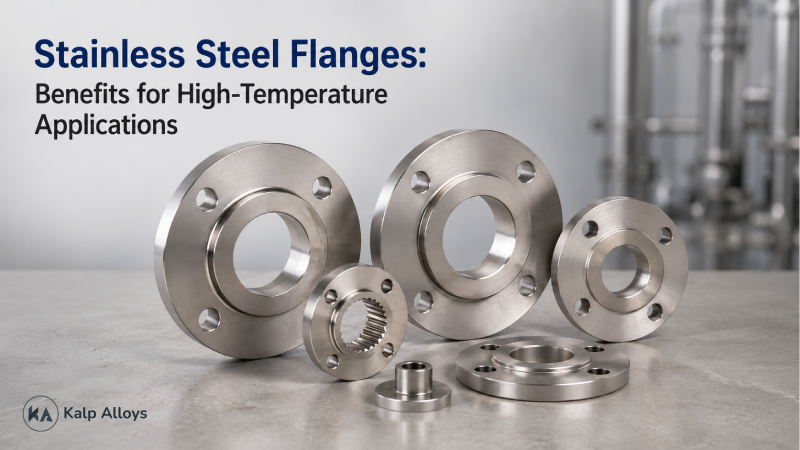
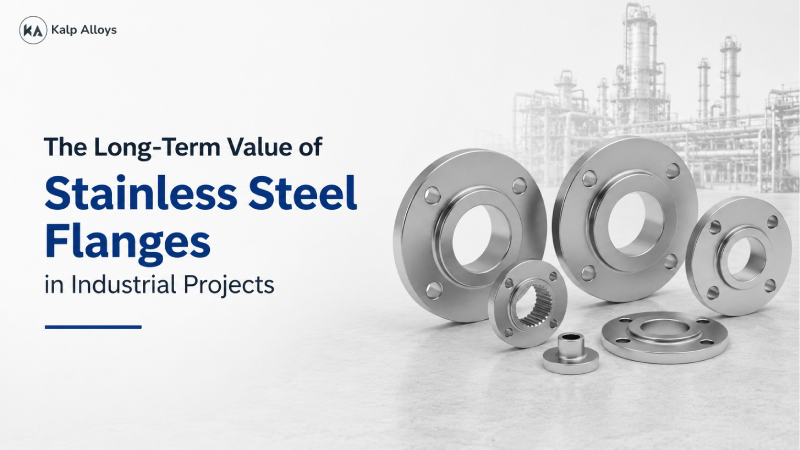
Stainless steel flanges are used when a project requires corrosion resistance along with the mechanical performance needed for its service conditions. ASTM A182/A182M-26 covers forged or rolled alloy and stainless steel pipe flanges, fittings, valves, and parts for high-temperature service.
Why Stainless Steel Flanges Are Selected
Stainless steel provides corrosion resistance through its chromium-containing alloy system and is available in numerous grades designed for different environments.
Common grades used for flange applications may include 304, 304L, 316, 316L, 321, and other stainless grades depending on the project specification.
However, the presence of the word “stainless” does not automatically make one flange suitable for every service. Chlorides, acids, temperature, pressure, fluid chemistry, and fabrication conditions can all affect the correct grade.
This is why a professional Stainless Steel Flanges Manufacturer should work from a detailed specification rather than treating stainless steel as a single material.
How ASME B16.5 Helps Define Flange Requirements
ASME B16.5 is one of the major standards used for steel pipe flanges and flanged fittings.
The 2025 edition covers pressure-temperature ratings, materials, dimensions, tolerances, marking, testing, and opening designations for pipe flanges and flanged fittings. It covers sizes from NPS 1/2 through NPS 24 and includes several pressure classes.
The standard also addresses flange bolting, gaskets, and flange joints, making it particularly relevant when specifying a complete flanged connection.
For larger flange sizes, ASME B16.47 addresses large-diameter steel flanges from NPS 26 through NPS 60.
Flange Types for Industrial Piping
Welding Neck Flanges
These are commonly considered for demanding pressure and temperature services because they use a butt-welded connection and provide a gradual transition.
Slip-On Flanges
Slip-on designs fit over the pipe and are welded. They can be selected for suitable industrial applications according to the project design.
Blind Flanges
Blind flanges close piping ends or equipment openings and can be removed when access is required.
Socket Weld Flanges
These are used primarily for smaller-diameter piping where socket welding is specified.
Lap Joint Flanges
Lap joint designs are used with stub ends and allow the flange itself to rotate around the pipe assembly, depending on the design.
The correct type depends on the line configuration, pressure, temperature, maintenance needs, and applicable code.
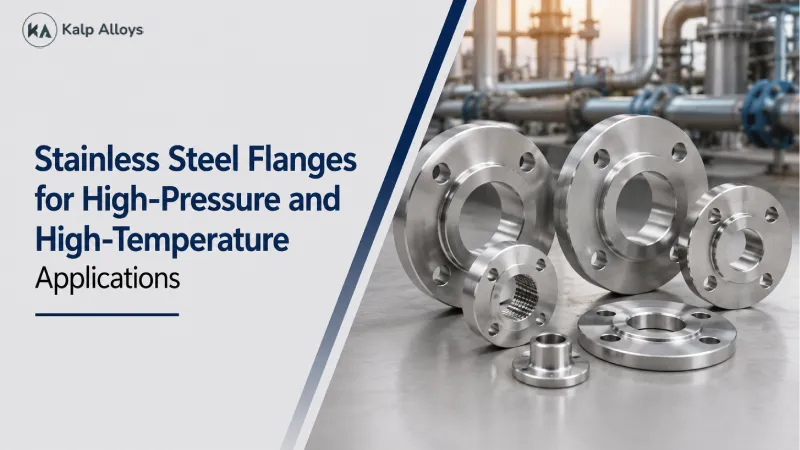
High-Pressure and High-Temperature Considerations
High pressure and high temperature cannot be evaluated independently. Pressure-temperature ratings are associated with the material group, flange class, temperature, and applicable standard.
For that reason, buyers should not select a flange class simply because it sounds appropriate. The piping designer should verify the required rating using the applicable standard and service conditions.
ASTM A182/A182M also contains requirements related to heat treatment for covered forged or rolled alloy and stainless steel components.
Quality documentation can therefore be just as important as the physical flange.
Where Are Stainless Steel Flanges Used?
Stainless steel flanges can be found in applications such as:
- Chemical processing
- Food and pharmaceutical systems
- Petrochemical plants
- Oil and gas facilities
- Water and process systems
- Power generation
- Marine applications
- Heat-transfer and industrial equipment
The correct grade should always reflect the actual service environment.
Before You Buy Stainless Steel Flanges
When selecting a Stainless Steel Flanges Exporter, provide complete technical details such as:
- Stainless steel grade
- Nominal pipe size
- Pressure class
- Flange type
- Facing
- Bore requirements
- Applicable ASTM and ASME standards
- Testing and inspection requirements
- Material certification
- Export documentation, where applicable
A detailed requirement helps the supplier quote and manufacture the correct product rather than relying on assumptions.
Why Choose Us
At Kalp Alloys, we provide stainless steel and alloy flanges for industrial piping applications. Our larger range of products includes stainless steel, carbon steel, alloy steel, duplex, super duplex, titanium, nickel alloys, and copper alloys flanges, which helps us to cater to the customers with varying material needs. In our evaluation of the inquiry, we consider aspects like grade, dimensions, pressure rating, type of flange, and standards relevant to the requirement. We strive for a specification-driven approach as Stainless Steel Flanges Manufacturers, and our expertise in being a Stainless Steel Flanges Exporter is useful for catering to international industrial needs of our clients.
Conclusion
It is possible that stainless steel flanges could serve well in applications involving high pressure and high temperature piping systems as long as they have been properly specified in terms of their material grades, class of flanges, size, and service conditions. The ASTM A182/A182M standard has established specifications for material that are to be used in forged or rolled stainless and alloy steel flanges. On the other hand, ASME B16.5 has established key specifications for dimensions, pressure-temperature ratings, materials, marking, and testing of flanges. Other factors such as type of flanges, facing, bolting, gaskets, inspection, and documentation should also be considered in selecting flanges.
Need stainless steel flanges for high-pressure or high-temperature industrial piping? Contact Kalp Alloys at +91 8160873937 or email sales@kalpalloys.com for product information and enquiries.
Frequently Asked Questions
What are stainless steel flanges used for?
Stainless steel flanges are commonly used in various industrial applications that require high corrosion resistance and mechanical performance. They are often found in chemical processing, food and pharmaceutical systems, petrochemical plants, and power generation.
How do I select the right stainless steel flange?
Selecting the right stainless steel flange involves considering several factors, including material grade, pressure class, flange type, and service conditions. It is essential to provide complete technical details to your supplier to ensure proper specification and manufacturing.
Why should I choose Kalp Alloys as my stainless steel flanges manufacturer?
Kalp Alloys is a leading manufacturer that specializes in high-quality stainless steel and alloy flanges for industrial applications. Our expertise and specification-driven approach ensure that we meet diverse customer needs while providing reliable products.
What standards should I be aware of when purchasing stainless steel flanges?
When purchasing stainless steel flanges, it is important to be familiar with relevant standards such as ASTM A182/A182M for material specifications and ASME B16.5 for dimensions and pressure-temperature ratings. These standards help ensure the flanges meet the requirements of your application.
Can stainless steel flanges handle high-pressure and high-temperature applications?
Yes, stainless steel flanges can be used for high-pressure and high-temperature applications, provided they are properly specified in terms of material grades and other relevant factors. Consulting a professional stainless steel flanges manufacturer is crucial to ensure the right choices are made.