

Key Takeaways
- Alloy steel pipes are essential for high-temperature applications due to their superior strength retention and performance longevity.
- Choosing the right alloy grade is crucial; improper selection can lead to failures in high-pressure and heat environments.
- High-temperature alloy steel pipes offer improved creep resistance, making them ideal for power generation and process industries.
- Engaging with a reliable alloy steel pipes manufacturer ensures compliance with material specifications and quality standards.
- Heat treatment significantly affects the performance of alloy steel tubes in high-temperature service, impacting hardness and strength.
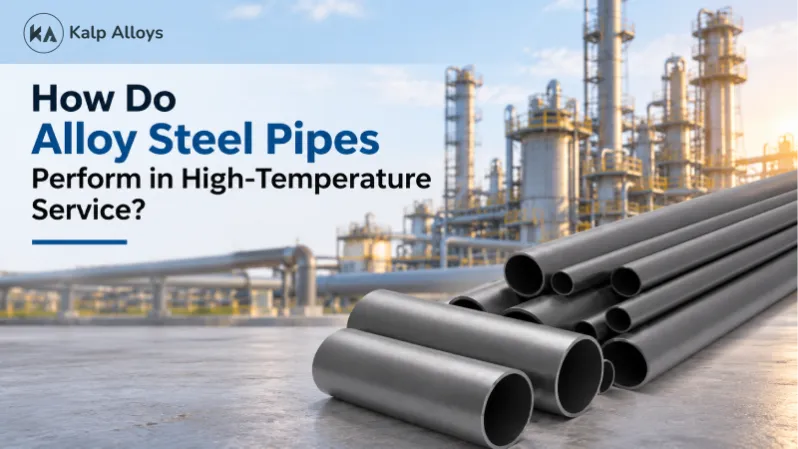
Kalp Alloys is a leading manufacturer and exporter of alloy steel pipes and tubes. In high-temperature applications, piping materials must deal with heat, pressure, oxidation, and long operating cycles without losing their required mechanical properties. This is where alloy steel pipes can offer important advantages over ordinary carbon steel. For buyers working with boilers, heat exchangers, power equipment, and process systems, selecting the right grade and specification is critical.
Why High-Temperature Service Is Challenging
High temperatures can change the behaviour of steel. As temperature rises, many steels experience a reduction in strength, while prolonged exposure can contribute to creep, oxidation, and other forms of degradation.
For this reason, high-temperature piping cannot be selected only on the basis of room-temperature mechanical properties. The material must be suitable for the actual operating temperature, pressure, environment, and service duration.
Alloy steel is developed by adding elements such as chromium, molybdenum, nickel, and other alloying constituents to modify its properties. The grade and intended use determine the precise composition.
How Alloying Elements Improve Performance
The performance of alloy steel pipes at elevated temperatures is closely linked to their chemical composition. Different alloying elements contribute different characteristics.
Chromium can improve resistance to oxidation and high-temperature corrosion. Molybdenum contributes to strength at elevated temperatures and can improve resistance to creep in suitable grades. Other elements may influence hardenability, toughness, corrosion resistance, or structural stability.
This means two alloy steel pipes with different grades should not be treated as interchangeable. Material grade selection should always match the temperature and service conditions of the application.
Strength Retention at Elevated Temperatures
One of the major reasons alloy steel is selected for demanding thermal applications is its ability to retain useful mechanical properties at elevated temperatures when the appropriate grade is used.
As temperature increases, the load-carrying capability of steel generally changes. Alloy additions and suitable heat treatment can improve high-temperature strength compared with simpler steel grades.
This is particularly important in systems where pipes are exposed to sustained heat and internal pressure. In such environments, the pipe must continue to perform as a pressure-containing component throughout its intended service.
Creep Resistance Matters in Long-Term Operation
Creep is a gradual and permanent deformation that can occur when a material is subjected to stress at elevated temperatures for extended periods. It becomes an important consideration in high-temperature piping, especially in power generation and process industries.
Certain alloy steel grades are specifically developed for improved creep strength. Their composition and heat treatment are designed to support stable performance over prolonged service.
For long-duration high-temperature applications, creep resistance can be just as important as initial tensile strength.
Resistance to Oxidation and High-Temperature Corrosion
High temperatures could lead to accelerated oxidation and corrosion, especially where there is steam or combustion products, corrosive gases, or other process media coming into contact with the piping.
The presence of chromium in alloy steels would result in better oxidation properties than carbon steel, but that depends on the material and environment.
The environment is very important. The material needed for a pipe containing steam is not the same as that needed for pipes containing corrosive gases or high temperature hydrocarbons.
Role of Heat Treatment
Heat treatment plays a significant role in the final performance of alloy steel pipe and tubing. Normalization, tempering, annealing, and any other specified treatment may influence the properties of the alloy steel tube and pipe, including hardness, strength, toughness, and microstructure.
The proper heat treatment procedure is dependent upon the material grade and the specification used. When purchasing material, buyers should look at the material condition required instead of chemical composition only.
Chemical composition, mechanical properties, heat treatment, dimensions, and other testing procedures may become essential in some cases.
Important Factors When Selecting Pipes for High-Temperature Service
High-temperature pipe selection involves several factors working together. Buyers should consider the following before placing an order:
- Operating temperature and design temperature
- Internal and external pressure
- Service medium and chemical environment
- Required alloy grade
- Wall thickness and pipe dimensions
- Heat treatment condition
- Mechanical property requirements
- Applicable product specification
- Testing and inspection requirements
Temperature is not the only factor used to choose a pipe that is technically appropriate. The complete service environment must be considered.
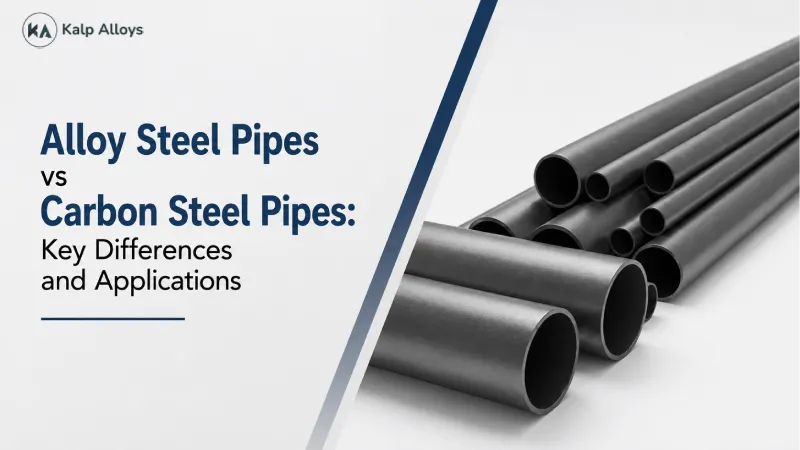
Alloy Steel Pipes vs Conventional Carbon Steel at High Temperatures
The choice between carbon steel and alloy steel depends on the application. Carbon steel can be suitable for many moderate-temperature systems, but higher-temperature service may require an alloy specifically designed to maintain performance under thermal and mechanical stress.
| Factor | Alloy Steel Pipes | Carbon Steel Pipes |
|---|---|---|
| Elevated-temperature strength | Generally better in suitable grades | More limited at higher temperatures |
| Creep resistance | Available in grades designed for high-temperature service | Generally lower |
| Oxidation resistance | Improved in suitable chromium-alloyed grades | Generally more limited |
| Material selection | Multiple grades for demanding service | Often used for less severe conditions |
| Typical suitability | Boilers, power and process systems, high-temperature lines | General industrial and moderate-temperature service |
The comparison is general because actual performance depends on the specific grade, temperature, pressure, manufacturing condition, and environment.
Why Manufacturing Quality Matters
Even if the right alloy grade is chosen, quality in manufacture is still vital. Dimension of pipe, surface finish, heat treatment, composition, and physical properties all play their part in determining service performance.
At Alloy Steel Pipes Manufacturer, we know how essential it is that our industrial customers receive products that conform to the specified material and dimensional requirements.
The same can be said for any Alloy Steel Tubes Manufacturer who has experience and knowledge of what’s needed.
What Should Buyers Check Before Ordering?
Before purchasing alloy steel pipes for high-temperature service, it is useful to verify the technical details with the supplier.
- ✔ Required alloy grade and specification
- ✔ Operating and design temperature
- ✔ Pressure requirements
- ✔ Pipe or tube dimensions
- ✔ Required heat treatment condition
- ✔ Mechanical and chemical requirements
- ✔ Inspection and testing requirements
- ✔ Material certificates and traceability
The danger of choosing a material that is inappropriate for the intended service might be decreased by a provider who is aware of these requirements.
Why Experienced Exporters Matter
Industrially used pipes can be shipped for different markets and industries. The experienced Alloy Steel Pipes Exporter must know how to deal with documentation, identification of the goods, packaging and requirements of his customers.
In the same way, the Alloy Steel Tubes Exporter must have good understanding of his customers' needs while selling his products for industrial use.
Why Choose Us
Kalp Alloys specializes in the sourcing of alloy steel pipes and tubes for industrial purposes that require top-quality materials and proper engineering. Our services include discussions with our customers regarding the requirements of the products like grades, sizes, specifications, and applications. The whole process involves providing sufficient information about the products along with reliable supply, both locally and internationally, for the buyers.
Conclusion
Steel alloy pipes may have the capability to work effectively even at high temperatures if the proper grade of steel, fabrication, heat treatment, sizes, and operating parameters are selected. High-temperature strength retention and improved creep resistance as well as oxidation resistance may be helpful in certain grades.
For buyers, the main consideration will not only be buying steel alloy pipe, but more importantly, buying the right grade of steel alloy pipe according to the temperature and pressure. This task could be made easier if you deal with a professional supplier.
Looking for reliable alloy steel pipes and tubes for high-temperature industrial applications? Kalp Alloys can help you discuss your required grade, dimensions, specifications, and project requirements.
For more information about our alloy steel products and to discuss your requirements with our team, call +91 81608 73937
Email: sales@kalpalloys.com
Frequently Asked Questions
What are the advantages of using alloy steel pipes in high-temperature applications?
Alloy steel pipes offer superior strength retention, improved creep resistance, and better oxidation resistance compared to conventional carbon steel. These properties make them essential in applications like boilers and power systems where temperature and pressure are significant.
How do I choose the right alloy grade for high-temperature service?
Selecting the correct alloy grade involves considering the operating temperature, pressure requirements, and the specific chemical environment. It's crucial to consult with a qualified Alloy Steel Pipes Manufacturer to ensure the selected grade matches the service conditions.
What role does heat treatment play in the performance of alloy steel tubes?
Heat treatment significantly influences the mechanical properties of alloy steel tubes, affecting hardness, strength, and toughness. Proper treatment procedures tailored to the material grade enhance performance, especially under high-temperature conditions.
Are alloy steel pipes more resistant to high-temperature corrosion than carbon steel pipes?
Yes, alloy steel pipes typically offer improved resistance to high-temperature corrosion due to the presence of alloying elements like chromium. This enhancement makes them suitable for environments with steam or corrosive gases.
Why is it important to work with experienced alloy steel pipes exporters?
Experienced Alloy Steel Pipes Exporters understand the complexities of documentation, packaging, and customer-specific requirements. Their expertise ensures that the products meet industry standards and are delivered reliably to your application needs.