
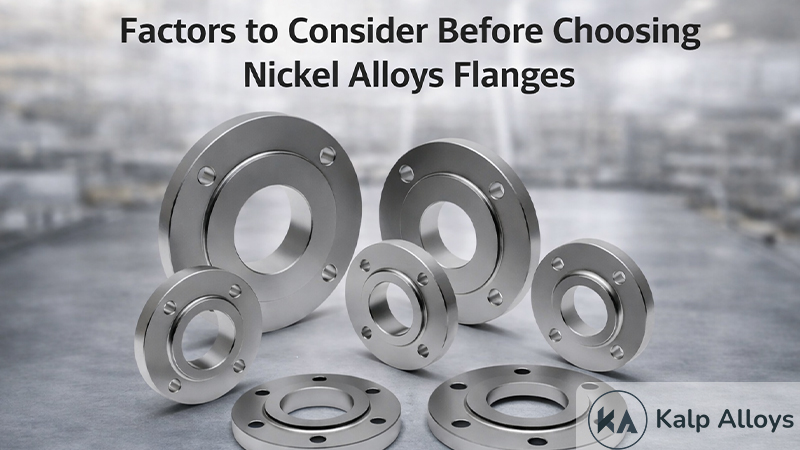
Key Takeaways Prioritize Hastelloy grades for pitting resistance in chemical processing. Select Inconel 625/718 for high-temperature oxidation in power and aerospace. Match pressure classes Class 150-2500 to system demands per ASME B16.5. Opt for weld neck for high-stress areas and slip-on for accessible maintenance points. Source from proven Nickel...
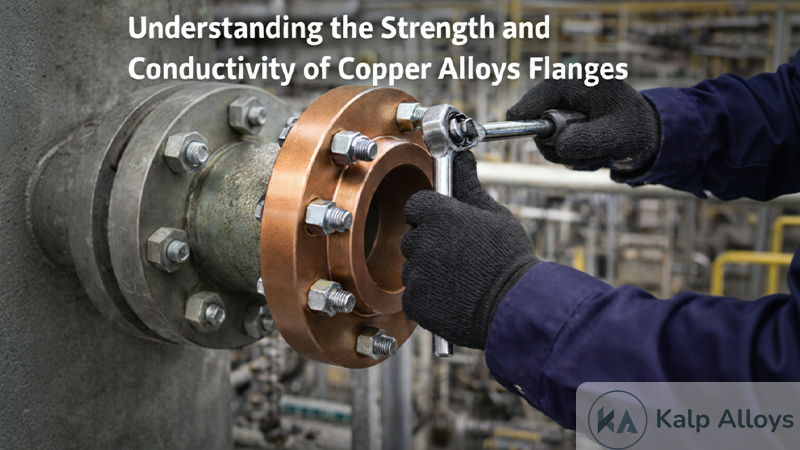
Key Takeaways Cupro nickel C706 excels in seawater with 50 W/mK thermal conductivity. Aluminium bronze C954 yields 90 ksi, making it ideal for structural marine roles. Admiralty brass effectively resists scaling in low-pressure heat exchangers. Phosphor bronze damps vibration while conducting heat superbly. Rely on Copper Alloys Flanges Exporter...
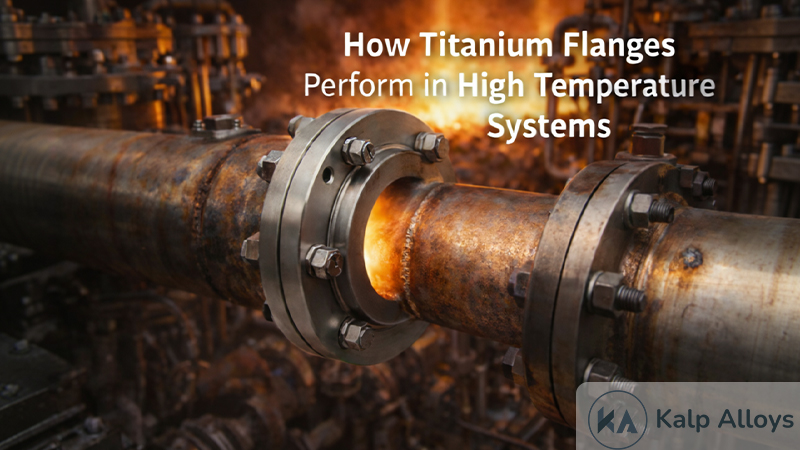
Key Takeaways Grade 5 Ti-6Al-4V rules 550°C aerospace applications with 120 ksi strength retention. Grade 7 palladium counters hydrogen embrittlement in steam and acidic environments. TiO2 passivation thrives above 500°C, providing self-healing properties for surface flaws. Low density halves the weight compared to steel while maintaining matching strength. Source...
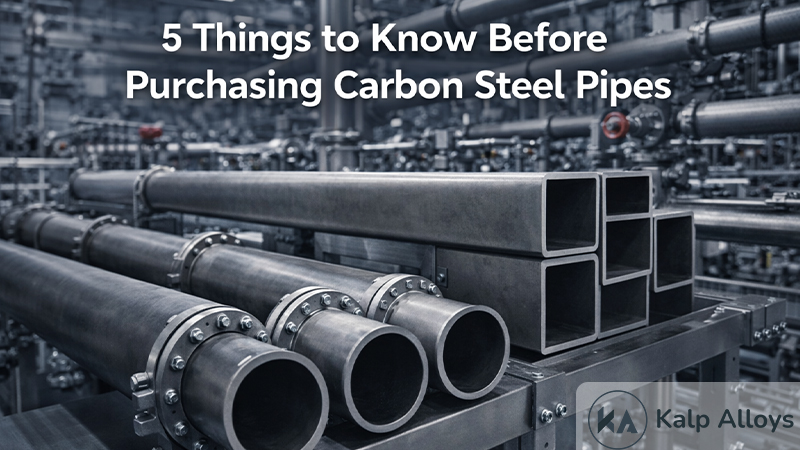
Key Takeaways Seamless carbon steel pipes are used for high-pressure systems, while welded ERW is best for cost-sensitive lines. A106 Gr B handles up to 800 psi/400°C, whereas P91 thrives in 550°C creep zones. Schedules ranging from SCH 40 to SCH 160 accommodate various flow types, from basic plumbing...
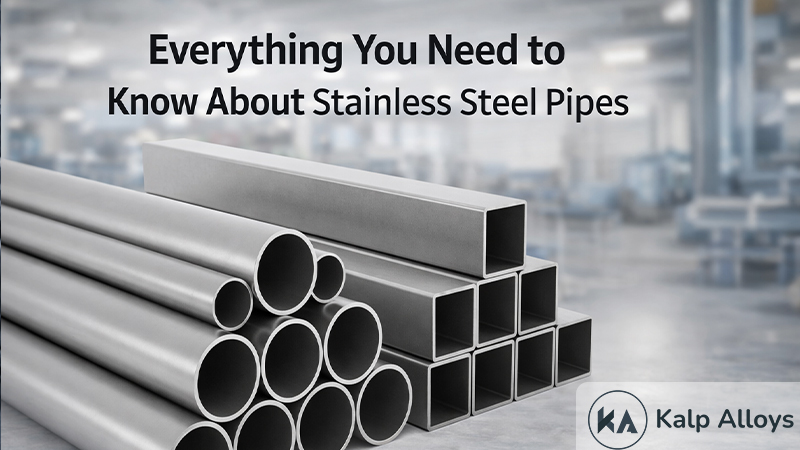
Key Takeaways 316L/316Ti molybdenum arms against chlorides, providing a PREN 24 pitting shield. Duplex S32205 doubles the yield strength and offers superior SCC resistance for seawater. Choose Seamless A312 TP304H for high-purity applications and ERW for economic bulk requirements. Schedules range from SCH 5S for vacuum to XXS for...
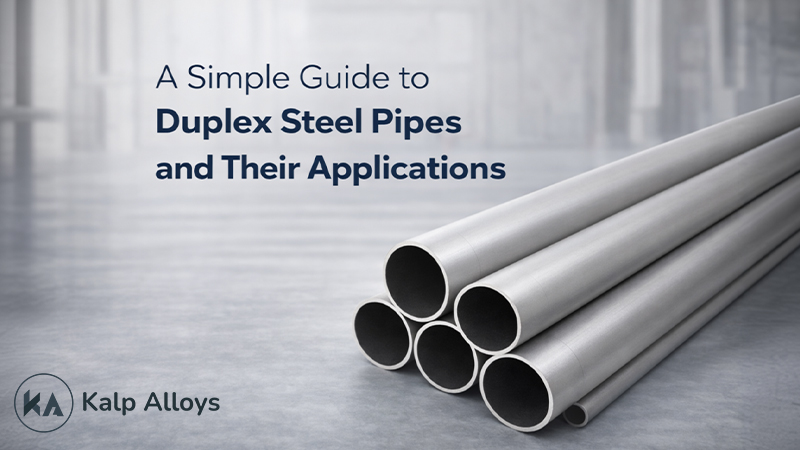
Key Takeaways S32205 (PREN 35) doubles the strength of standard 316 stainless steel and resists hot chloride-induced SCC. S32760 Super Duplex (PREN 40) is engineered to withstand 10ksi pressure in sour seawater environments. Opt for Seamless pipes for $H_{2}S$ (sour) service and ERW for economic bulk flow applications. A...
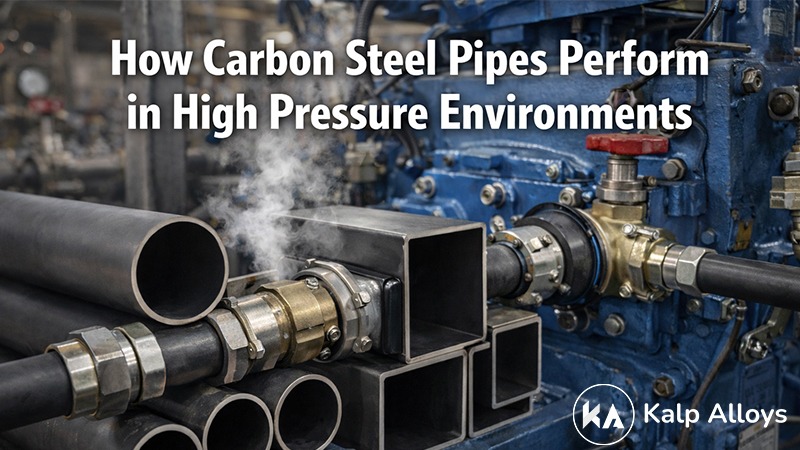
When pressure rises inside an industrial pipeline, the real test begins. Not every material can handle that invisible force pushing relentlessly through the system. This is where carbon steel quietly proves its worth. Carbon steel piping is constantly relied upon by engineers, project managers, and procurement teams in the...
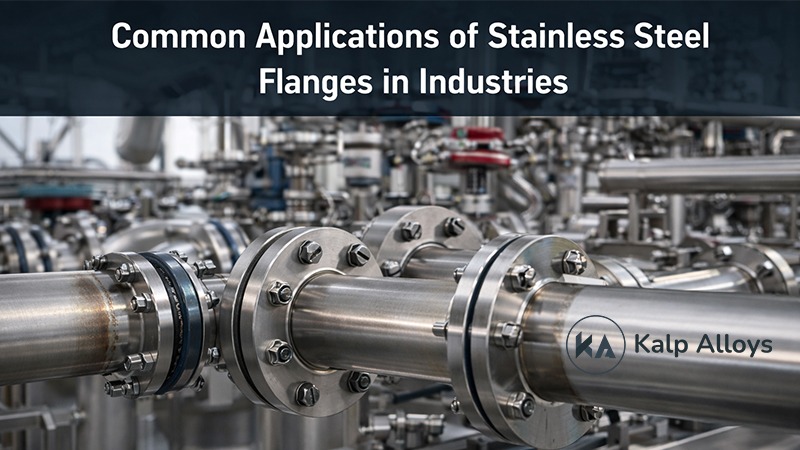
Industrial piping systems dont often get a second chance. When corrosive fluids, high pressure, and wild temperature swings come together, every single component has to be 100% reliable. That’s where Stainless Steel Flanges really come into their own. You’ll find them on offshore platforms, in food processing plants and...
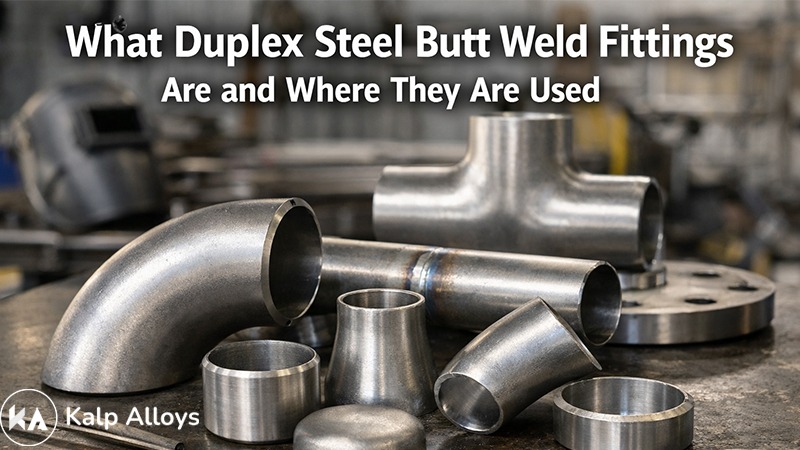
Pipeline failures rarely happen without warning. More often, they begin quietly — corrosion building in hidden corners, pressure stressing weak joints, temperature cycles slowly wearing materials down. That’s exactly why industries working in aggressive environments increasingly turn to duplex materials. Duplex Steel Butt Weld Fittings have become a practical...
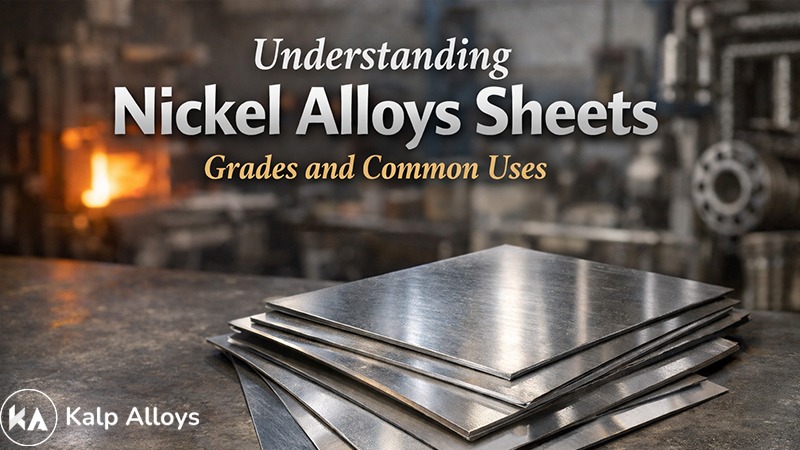
Industrial buyers don’t usually stumble upon nickel alloys by mistake. These materials only start getting seriously considered once regular steel starts showing its weaknesses – corrosion sets in, temperatures get too high, or mechanical stress is more than what standard alloys can handle. When that happens, nickel alloys step...